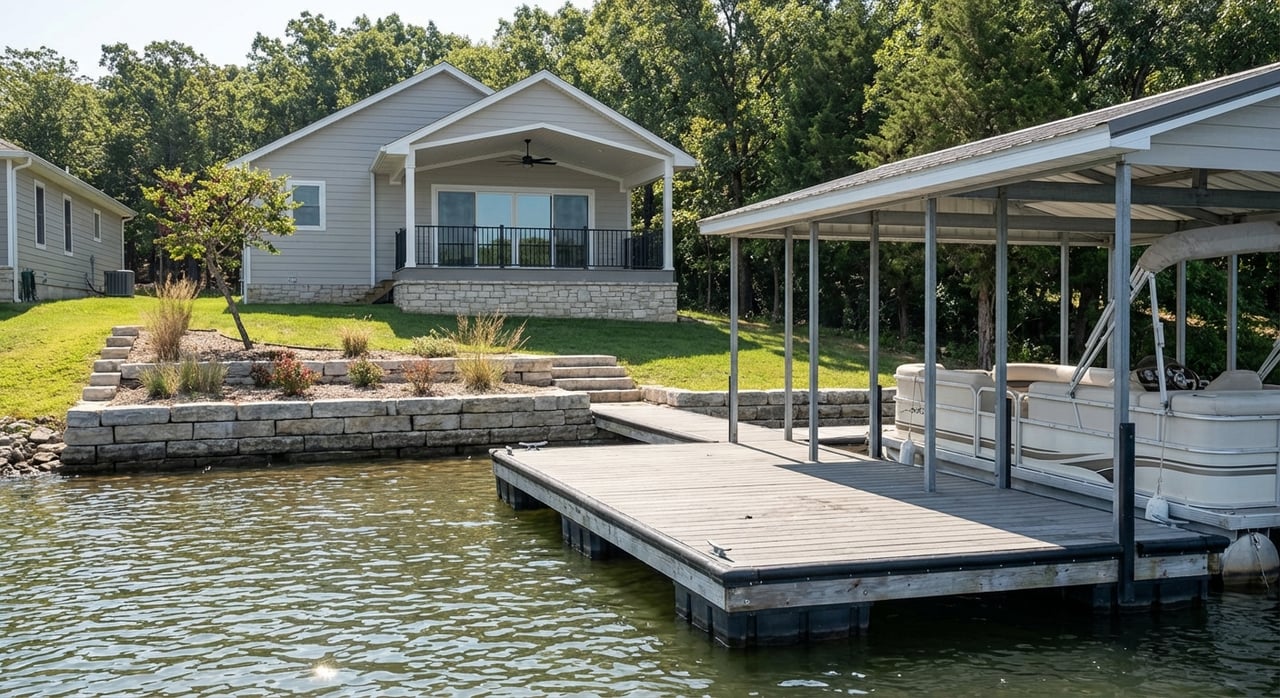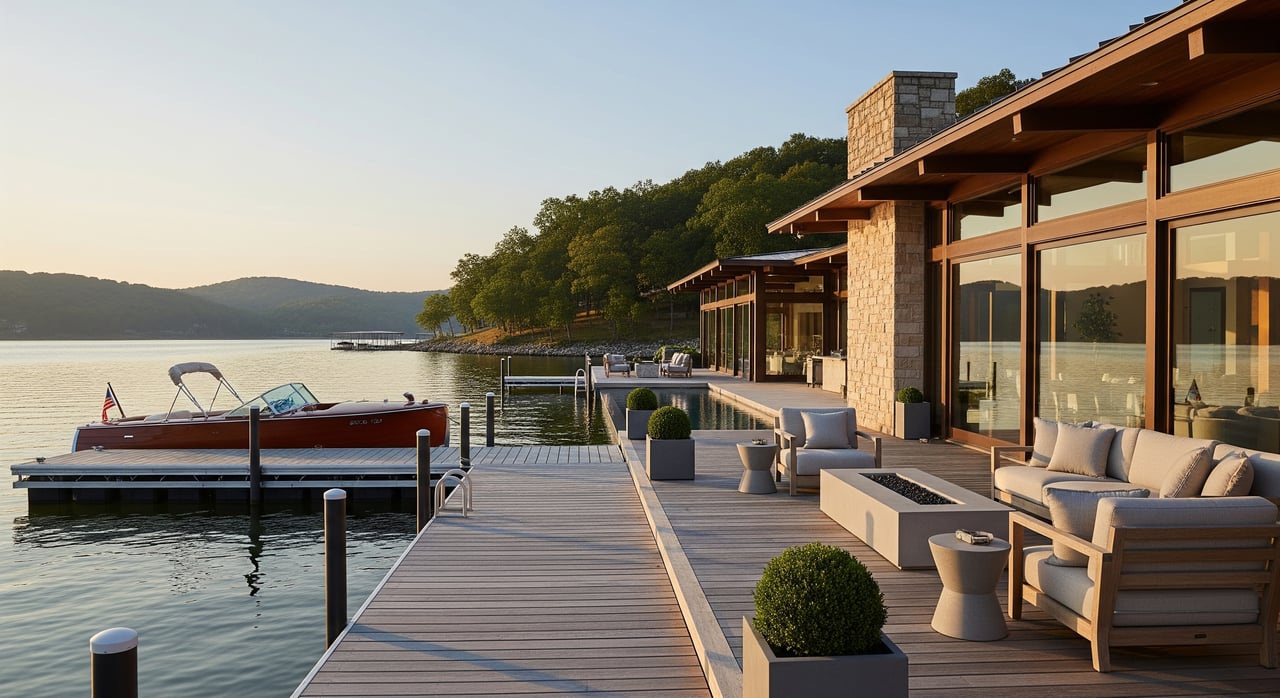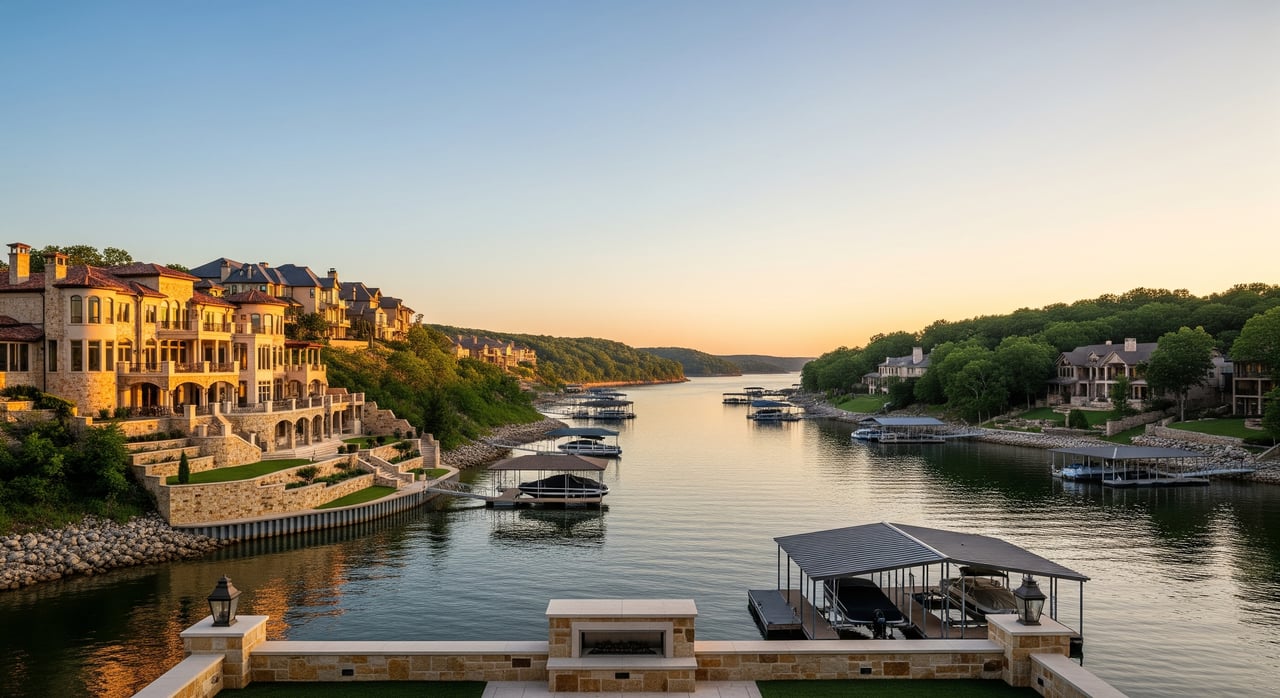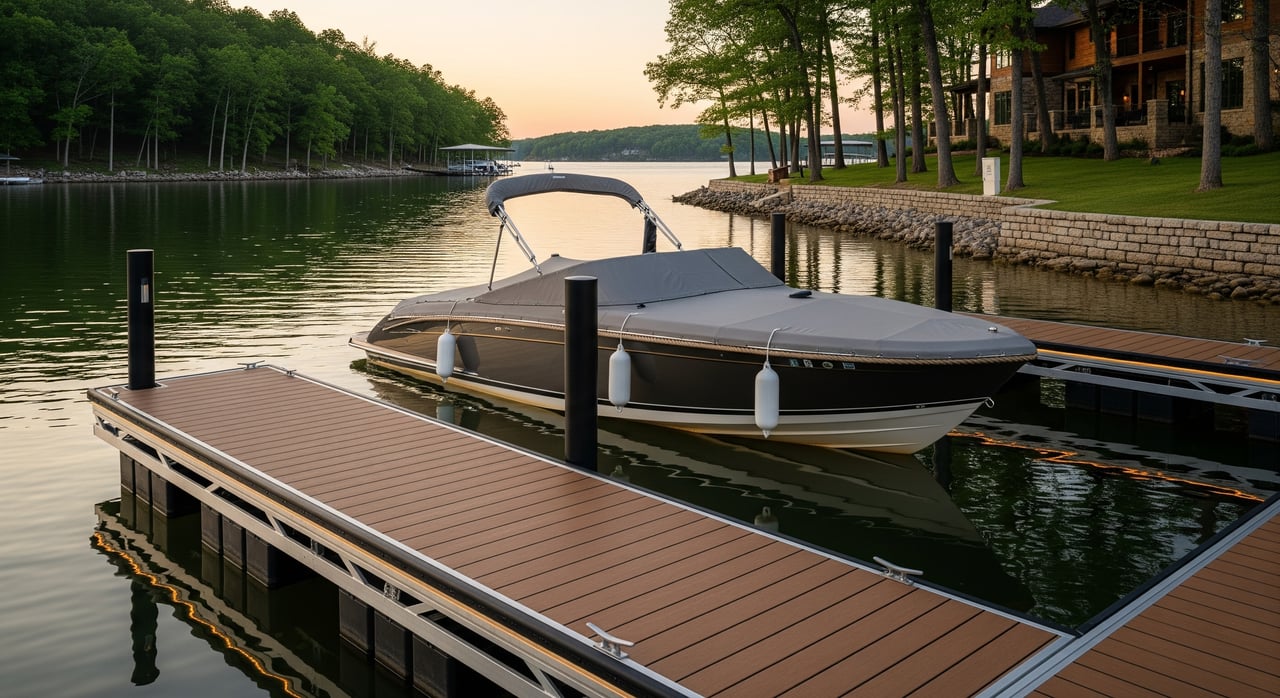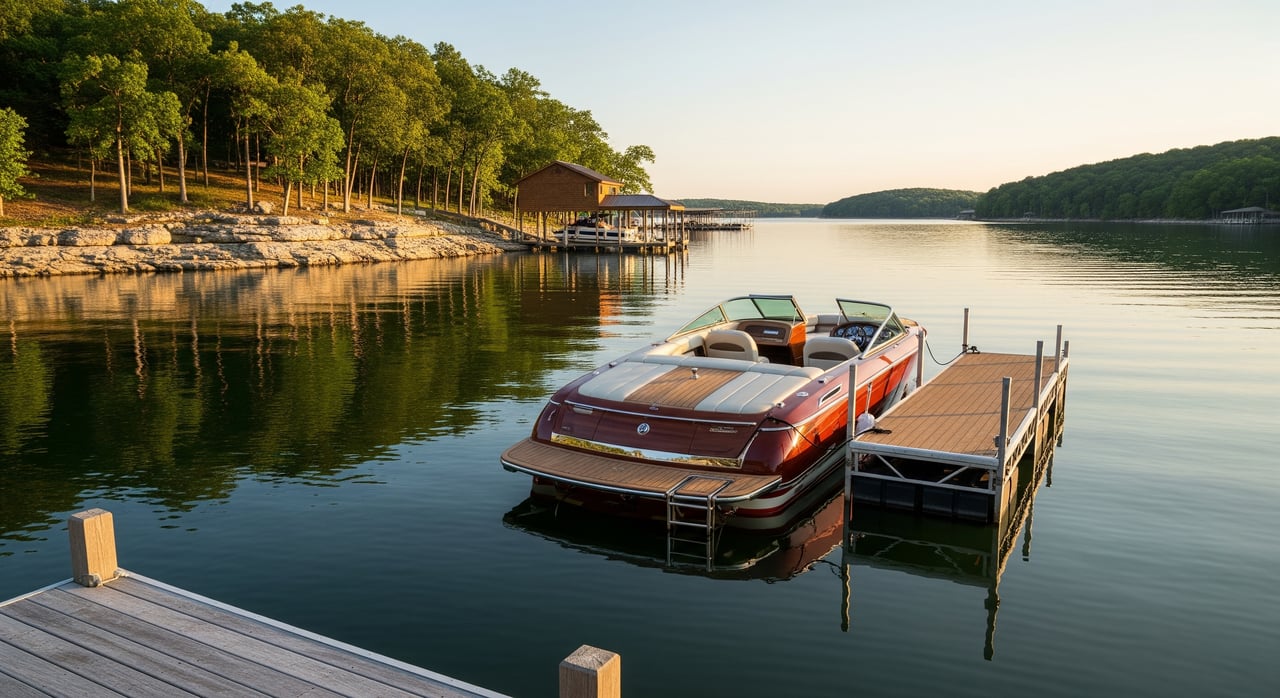
Thinking about a lake home in Camdenton but unsure what a no-wake cove really means for your boating and day-to-day life? You are not alone. If you want quiet mornings on the dock, safe swimming for guests, and less wear on your boat lift, the cove you choose matters as much as the house. This guide breaks down what no-wake coves are, why they are popular around Lake of the Ozarks, and what to evaluate before you buy. Let’s dive in.
What “no-wake cove” means in Camdenton
A no-wake cove is a sheltered inlet where boats must move slow enough to avoid creating a wake. In practice, this is idle or headway speed, just enough to keep steerage. It is not always a set miles-per-hour number. The idea is simple: minimize wake so other boaters, docks, and shorelines stay safe.
On Missouri inland waters, boating laws are enforced by the state’s water patrol and supporting local agencies. At Lake of the Ozarks, the Missouri State Highway Patrol — Water Patrol Division is the primary enforcement authority. No-wake rules show up through official signs or buoys, local ordinances, and occasionally private community covenants. Private rules can shape what owners and guests do at a dock, but they do not replace public rules on the water.
Why buyers choose no-wake coves
If you picture coffee on a calm dock or kids swimming by the ladder, a no-wake location can be a strong match. You typically get a quieter setting, safer water for swimming, and less dock stress.
- Quiet recreation and views. Less engine noise and fewer large wakes create a peaceful setting and more predictable water.
- Swim safety. Slow speeds improve visibility for swimmers and reduce risk from passing traffic.
- Dock and boat comfort. Lower wake energy means less strain on floating docks and lifts.
- Shoreline protection. Reduced wake helps limit erosion and preserve landscaping.
- Better small-craft conditions. Kayaks, paddleboards, and small fishing boats perform well in calm water.
- Privacy and lower traffic. Coves often have fewer pass-through boats than the main channel.
Tradeoffs to think through
Every cove is different. A few considerations can help you match the cove to your lifestyle.
- Navigability. Some coves are narrow, shallow, or have vegetation and stumps. Large boats may be impractical.
- Access to the main channel. You may have a longer idle ride to reach restaurants, marinas, and open water.
- Seasonal variation. Summer brings more lake traffic. Even near a no-wake zone, you may feel peak-season activity.
- Resale pool. Buyers who want fast, open-water access may look elsewhere, which can narrow your resale audience.
- Dock rules. County or HOA rules can limit dock size, lift types, or storage choices. Confirm before you plan upgrades.
How to evaluate a no-wake cove property
Use this buyer checklist when you tour in Camdenton and nearby arms of Lake of the Ozarks.
Water access and navigation
- Confirm dock rights. Ask whether the property includes a deeded slip, riparian rights, or an easement. Request surveys and title details.
- Check water depth. Note depth at the dock and along the approach during typical lake levels. Look for siltation, stump fields, or submerged hazards.
- Turning and passing space. Make sure your boat can turn safely and pass neighbors without conflict.
- Seasonal levels. Lake of the Ozarks water levels change with reservoir management. Ask local marinas how seasonal shifts affect this cove’s depth and dock use.
- Look for signage. Identify any posted no-wake signs or buoys. The absence of a sign does not remove general state safety rules.
Safety and environmental notes
- Proximity to busy spots. Know where nearby marinas, restaurants, or event areas are that can increase traffic.
- Shoreline condition. Look for riprap, seawalls, or native buffers and note any signs of active erosion or past repairs.
- Aquatic growth. Excess vegetation or algae can affect swimming and may require maintenance.
- Emergency response. Ask about typical response times for water patrol and local fire or rescue in your area of the lake.
Legal, permits, and HOA details
- Dock permits and rules. Check Camden County and any HOA for dock size, footprint, and materials restrictions. Start with Camden County’s official site to locate the proper department.
- Covenants and deed restrictions. Review any rules on boat types, noise, or mooring.
- Insurance. Talk with your insurer about waterfront coverage, including boats and personal watercraft.
- Riparian rights and easements. Verify exactly what water rights transfer. Determine if they are exclusive or shared.
Inspection and due diligence
- Survey. Ask for a recent survey that shows the waterline and dock location.
- Maintenance records. Request any records for shoreline stabilization, dock work, and lift service.
- Water quality. Check for available reports from local associations or public sources.
- Boating rules and contacts. Keep the Missouri State Highway Patrol contact info handy for laws and safety requirements.
- Flood risk. Review FEMA’s maps through the Flood Map Service Center to see if special insurance applies.
Local context: Camdenton and Lake of the Ozarks
Lake of the Ozarks is a reservoir shaped by Bagnell Dam operations, so water levels change seasonally. Those shifts can influence cove depth, ramp usability, and lift adjustments. Ask local marinas and dock builders about typical levels where you are shopping.
Enforcement of boating laws on the lake is led by the state water patrol, with local law enforcement support for shore-based issues. During peak summer, more boats are on the water, which can increase noise and activity even near quieter coves. Factor in how often you will use the property and whether weekday or off-season use better fits your plans.
In the Camdenton area, certain coves can feel very private with protected views, while others are closer to popular amenities. Service availability also varies. Remote coves may have fewer nearby contractors for dock maintenance, shoreline work, or boat service, so plan lead times during peak months.
Matching the cove to your lifestyle
Start with how you actually boat. If your perfect day means paddleboarding at sunrise and a relaxed cruise at sunset, a no-wake cove may be ideal. If you prefer quick access to wide water for long runs, be sure the cove’s approach and depth match your boat size and your patience for idle-time travel.
Also consider your hosting style. If you will have guests and young swimmers, calmer water and slower traffic can make dock time more comfortable. If weekend entertaining is your focus, verify parking, turning radius for boats, and neighbor expectations about noise and hours.
How a local advisor helps
A seasoned local agent can save you time by filtering options based on cove depth, approach, and dock rules before you travel in. You benefit from local contacts who know where seasonal silt builds up, which coves stay calm in July, and how to navigate approvals for dock improvements. You also get an organized plan for due diligence, including surveys, shore work documentation, and flood review.
If you are buying from out of state, you want eyes on the water as well as the house. That includes video of the boat ride out to the main channel, dock measurements, and real-time feedback on water clarity and activity at different times of day.
Your next step
If a no-wake cove sounds like the right fit, start a shortlist and map ride times to your favorite lake spots. Gather basic measurements for your current or planned boat and confirm HOA and county rules early. Then plan a focused property tour that checks each box in this guide.
Ready to compare coves and see how they feel in person? Let’s build a tailored search and line up tours when the water is active, so you see the true picture. For local guidance from a long-time Lake of the Ozarks resident, reach out to Amy Van Buren to Schedule a Consultation.
FAQs
What does “no-wake” mean for boat speed at Lake of the Ozarks?
- It means moving at idle or headway speed, just enough to maintain steering and avoid creating a wake, unless a local rule sets a specific speed.
Who enforces no-wake rules in Camdenton and Lake of the Ozarks?
- The Missouri State Highway Patrol — Water Patrol Division leads enforcement on Missouri inland waters, with local agencies assisting.
Can I keep a pontoon or runabout at a no-wake cove property?
- Often yes, as long as you operate at no-wake speed in the cove and your dock depth and HOA or county rules allow it.
Are no-wake coves better for swim safety and dock longevity?
- Generally yes. Calmer water reduces certain risks for swimmers and lowers wake stress on docks and lifts, though build quality and water level changes also matter.
How do I check permits and rules for docks in Camdenton or Camden County?
- Start with Camden County’s official site and your HOA for local requirements, then confirm details during contract due diligence.
Can a no-wake designation change in the future?
- Yes. Agencies can update rules and communities can modify private covenants, so review current regulations and any recent changes during your purchase process.