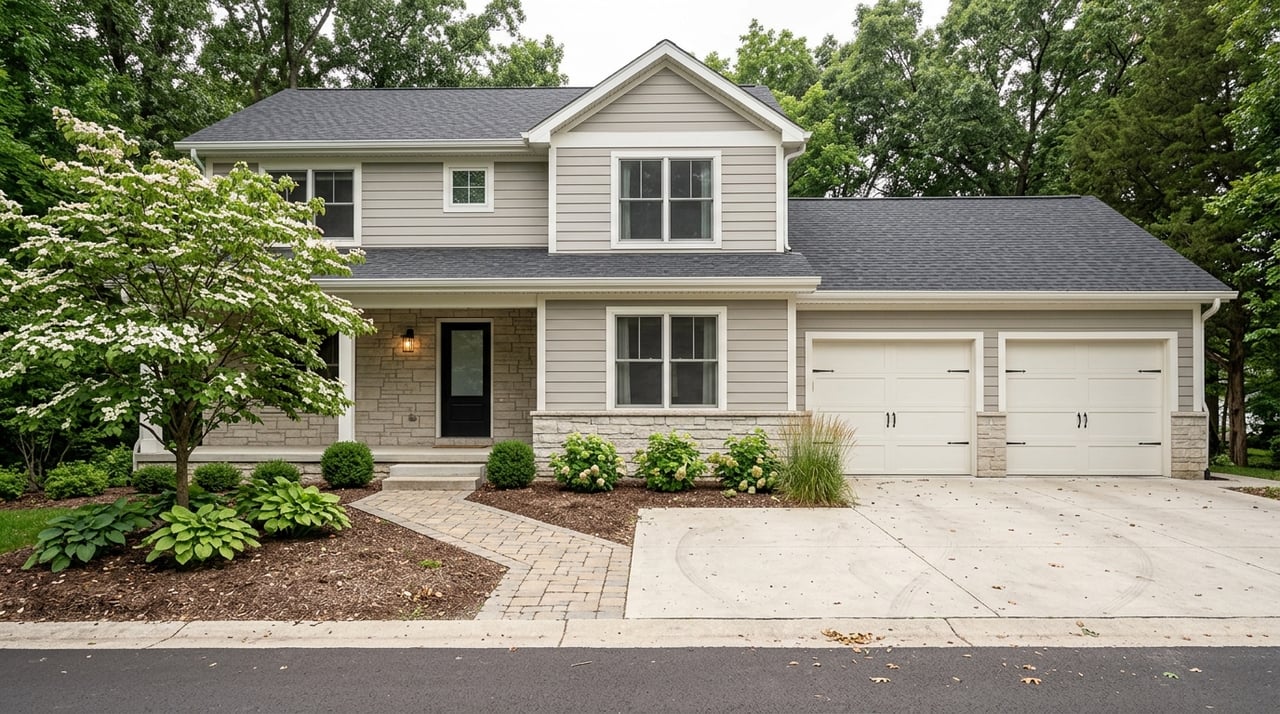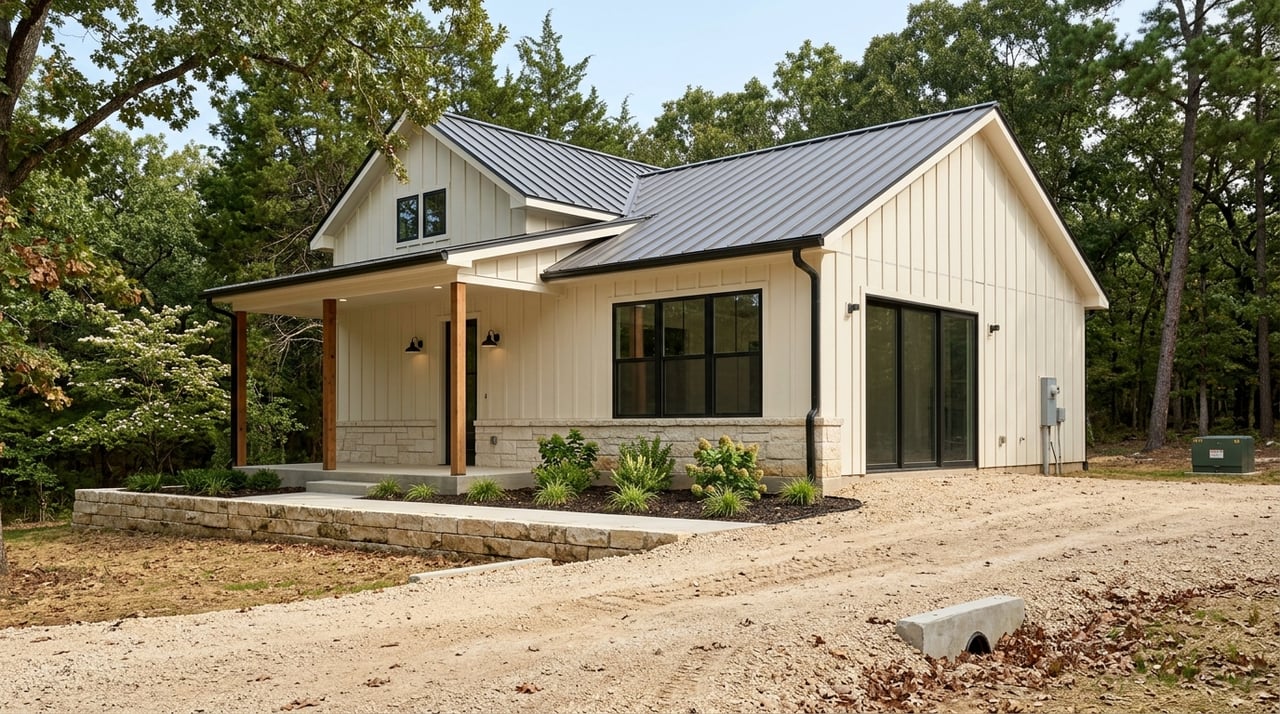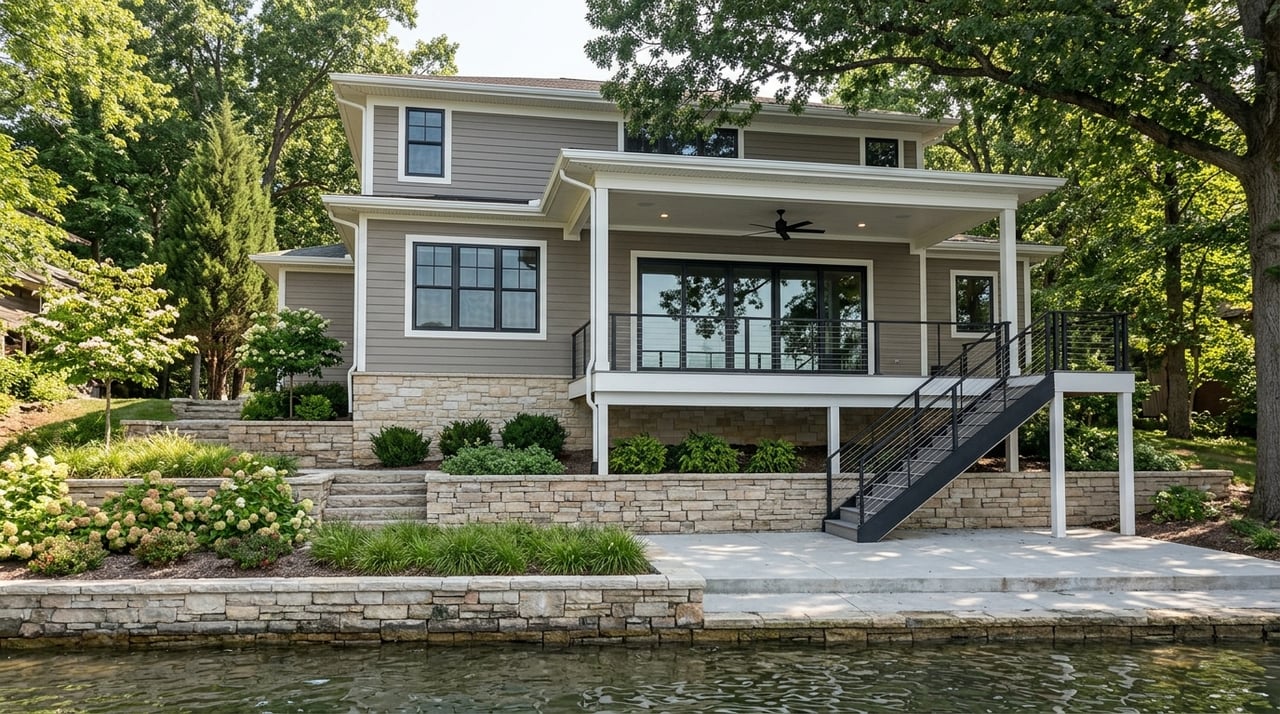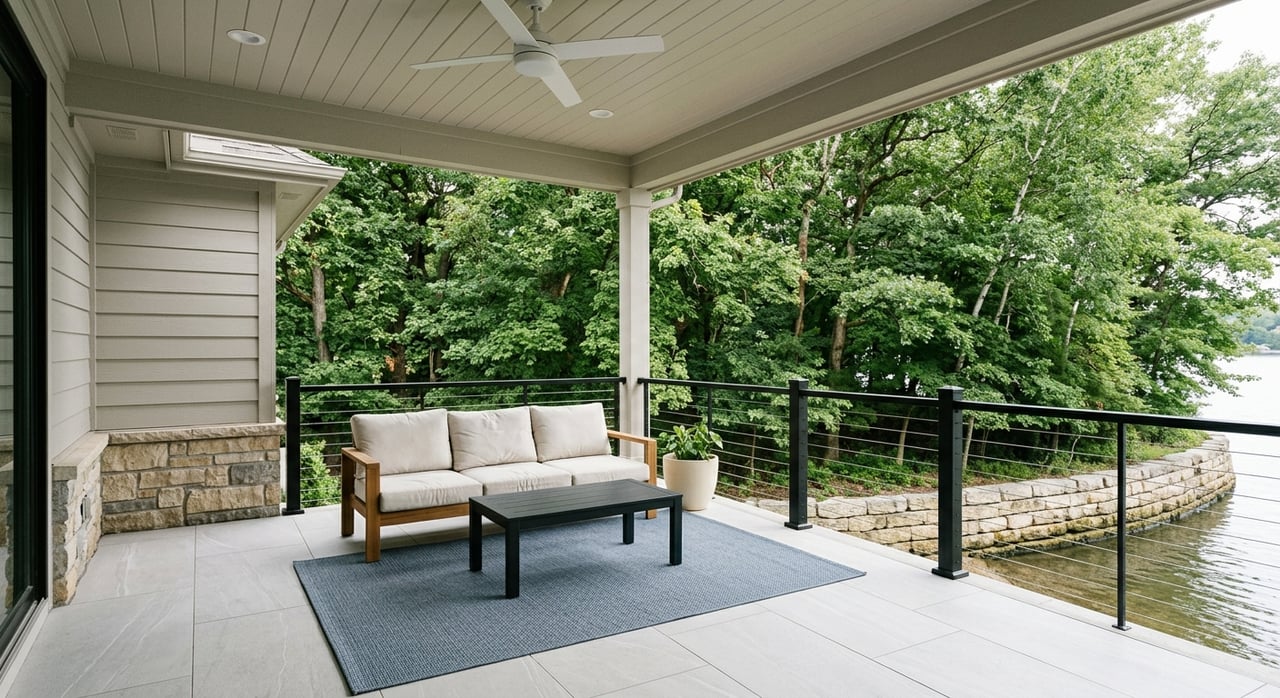
Thinking about buying in Osage Beach from out of state? It can be exciting to picture weekends on the water or a full-time move to Lake of the Ozarks, but the process is not always as simple as buying a typical inland home. In Osage Beach, the property type you choose can shape everything from permits and utilities to dock paperwork and floodplain questions. This guide will help you understand the local details that matter most, so you can buy with more clarity and less stress. Let’s dive in.
Why Osage Beach purchases feel different
Osage Beach is not a one-size-fits-all market. A condo, a lakefront home, an interior home, and a vacant lot can each come with a different set of rules, timelines, and inspections.
That is partly because the city’s zoning code includes floodplain management, subdivision regulations, setbacks, accessory building standards, and other use rules. The official zoning map is maintained by the City Clerk’s Office, which matters when you want to confirm how a property can be used or improved.
Topography also plays a role in how property functions here. According to the city’s planning materials, developed residential land uses account for 32% of the city, commercial and industrial land uses account for 22%, and only about 25% of the roughly 3,000 undeveloped acres may accommodate new development.
For you as an out-of-state buyer, the takeaway is simple: the property type matters just as much as the address. What works for a condo may not apply to a lakefront house, and what is possible on a vacant lot may depend on city, county, and shoreline requirements.
Know your property type first
Before you make an offer, narrow down what you are actually buying. In Osage Beach, that first decision affects your due diligence checklist right away.
Condos in Osage Beach
A condo can be appealing if you want lower day-to-day maintenance and easier seasonal use. Even so, you still want to confirm utilities, access, building rules, and any property-specific details that could affect how you use the unit.
Lakefront homes in Osage Beach
A lakefront home often involves more moving parts than buyers expect. You may need to review dock permit status, dock electrical inspection history, water line backflow requirements, flood-risk questions, shoreline improvements, and septic history depending on the property.
Interior homes in Osage Beach
An interior home may avoid some shoreline issues, but you still need to verify zoning, water service, permits for future improvements, and tax timing. If you plan to renovate after closing, local permit requirements can affect your timeline.
Vacant lots and land
Land can be especially tricky from a distance. You may need to investigate utility access, wastewater requirements, buildable area, setbacks, grading needs, and whether the lot adjoins the Lake of the Ozarks.
What lakefront buyers should verify
If you are buying a waterfront property, your due diligence needs to go beyond the house itself. The shoreline, dock, and utility setup can all affect value, use, and future costs.
Confirm dock permit status
At Lake of the Ozarks, Ameren Missouri requires permits for all docks and other shoreline improvements before construction. That includes structures such as docks, seawalls, piers, pumps, and similar improvements.
If the property already has a dock or shoreline feature, ask whether the permit paperwork is current and complete. This is one of the first items to verify before you move forward.
Understand permit transfers after closing
When a lake property changes hands, Ameren must be notified so existing permits can be transferred to the new owner. Ameren also states that the permit stays with the property, not with the dock.
For some local fire districts, the dock must also have an approved electrical inspection completed within the prior 12 months before the permit transfer can happen. If you are buying from out of state, this is the kind of local detail that can be easy to miss without a clear checklist.
Ask about water levels and seasonal use
Ameren says Lake of the Ozarks can fluctuate to 650 feet under normal conditions and 645 feet in emergencies. The lake is usually lowest in winter and early spring.
That matters if you are picturing boating access year-round or planning dock storage and maintenance. Seasonal water levels can shape how a property feels and functions during different times of year.
Check backflow requirements for dock water lines
Osage Beach requires some public water system customers to maintain backflow assemblies with annual inspections by a certified backflow inspector. Dock-supplied water lines are specifically listed among the service lines that require testing.
If the property has water service to the dock, ask for records showing compliance. It is a small detail that can become a bigger issue later if no one has been tracking it.
Review septic requirements and history
Camden County requires septic permits for new construction, replacement systems, and repairs. The county also states that permits are required for residential lots under 3 acres and for residential lots adjoining the Lake of the Ozarks regardless of size.
A soil morphology test must be completed before system design. If you are buying a lakefront home or land, septic history and current system status deserve close attention.
Remote tours are helpful, but not enough
It is easy to fall in love with a property through photos and video. That is especially true in Osage Beach, where views, decks, docks, and open lake-facing rooms can look great on screen.
Still, a remote tour is not the same as an in-person evaluation. For a long-distance purchase, your inspection strategy matters even more.
Schedule an inspection early
The CFPB recommends scheduling a home inspection as soon as possible after choosing a home. It also advises hiring an independent inspector and attending the inspection if possible.
If you cannot attend in person, ask for a detailed review process and documentation. A video walk-through from an inspector can add context, but it should support a physical inspection, not replace one.
Protect yourself with contingencies
The CFPB also recommends using financing and inspection contingencies. These contingencies can help protect you if financing falls through or the inspection reveals serious issues.
For out-of-state buyers, this step is especially important because distance can make it harder to spot red flags early. A strong contract structure can give you room to make informed decisions.
Plan for closing costs and remote closing options
A long-distance purchase can feel much easier once you understand the closing process. Knowing what is normal helps you budget, compare providers, and avoid last-minute surprises.
Budget for closing costs
The CFPB says typical closing costs range from 2% to 5% of the purchase price, excluding the down payment. That range can help you plan ahead, especially if you are also budgeting for travel, inspections, utility setup, or post-close updates.
Review your Closing Disclosure on time
Your lender must deliver the Closing Disclosure at least three business days before closing. That gives you time to compare the final terms and ask questions before signing.
If you are buying from out of state, this review window is especially valuable. It gives you a chance to slow down and confirm the numbers before the final step.
Compare title and settlement services
The CFPB notes that, in most of the country, a settlement agent from a title insurance company conducts the closing, and title-related services are often shoppable. That means you may have some ability to compare service and fee structures.
Ask whether remote notarization is available
Missouri law allows remote online notarization when the signer appears by live audio-video communication, the notary is physically located in Missouri, and the signer is physically within the United States. The Missouri Secretary of State also requires approved software for remote notarization.
In practical terms, that can make a remote or hybrid closing possible when your lender, title company, and notary all support the process. If you are buying from another state, it is worth asking about early.
Utilities, permits, and renovation timelines
If you plan to make changes after closing, start with the city requirements before you schedule contractors. In Osage Beach, some improvements need approval before work begins.
Water service setup
If your property needs city water service, Osage Beach requires advance application approval, full fee payment, recorded easements, and inspected, properly installed meters. The city also says water impact charges vary by meter size and whether the property is inside or outside city limits.
Site development permits
Osage Beach requires a site development permit for new construction and many improvements. That includes work such as excavation, grading over two feet, driveways, sidewalks, retaining walls, water mains and lines, sanitary sewers, storm sewers, and culverts.
The city states that permits and fees must be paid before work begins. If you are buying a home that needs updates, or land you plan to improve, this timing matters.
Permit processing times
Residential permits are typically processed within 5 to 10 business days, while commercial permits are typically processed within 10 to 15 business days. More complex plans or incomplete applications can take longer.
That means your post-close project timeline may need more lead time than you expect. For many out-of-state buyers, lining up work before understanding permit timing can create avoidable frustration.
Final inspections and occupancy
The city also requires approved plans, a current site plan showing setbacks, and inspections during construction. A building or structure cannot be used or occupied until final inspection is approved and the Certificate of Occupancy is issued.
If you are planning a remodel before move-in or before seasonal use, this is an important scheduling detail.
Do not skip flood-risk and tax timing checks
Two issues that can surprise out-of-state buyers are flood-zone questions and local tax timing. Both can affect your costs and your closing conversation.
Check official flood maps
FEMA’s Flood Map Service Center is the official place to review flood maps. FEMA says properties in zones beginning with A or V are high-risk flood zones.
It also advises buyers to ask whether a home has previously flooded or been damaged. In a lake market, that conversation should happen early.
Understand Camden County tax timing
Camden County property taxes attach as a lien on January 1. Tax bills are mailed in November, and unpaid taxes become delinquent on January 1 of the following year.
That timing matters for prorations at closing and for your first-year budgeting. If you are buying late in the year, ask for a clear breakdown so you know what is being credited or owed.
Why local coordination matters
When you buy in Osage Beach from out of state, the biggest challenge is often not just finding the right property. It is keeping all the local details moving in the right order.
A single purchase may involve city zoning questions, county wastewater rules, Ameren shoreline paperwork, flood-risk review, lender deadlines, inspection timing, and title coordination. That is why many buyers benefit from a local advisor who can help you track the process from offer to closing.
With roughly 25 years of local residency and deep experience across Osage Beach and the broader Lake of the Ozarks market, Amy Van Buren helps out-of-state buyers make sense of the details that come with lakefront homes, condos, lots, and lifestyle properties. If you want clear guidance, strong communication, and a smoother path from search to closing, connect with Amy Van Buren.
FAQs
What should out-of-state buyers verify before buying a lakefront home in Osage Beach?
- You should confirm dock permit status, dock electrical inspection history when relevant, backflow compliance for dock water lines, septic history, flood-risk details, and any shoreline improvement paperwork.
What dock rules apply to Lake of the Ozarks property in Osage Beach?
- Ameren Missouri requires permits for docks and other shoreline improvements before construction, and permit transfers must be handled when the property changes ownership.
What septic rules matter for Osage Beach lake properties in Camden County?
- Camden County requires septic permits for new construction, repairs, and replacement systems, including residential lots under 3 acres and residential lots adjoining the Lake of the Ozarks regardless of size.
Can you close on an Osage Beach home remotely from another state?
- Yes, remote or hybrid closings may be possible because Missouri allows remote online notarization when legal requirements are met and the lender, title company, and notary support the process.
How long do permits take in Osage Beach for post-close improvements?
- Osage Beach says residential permits are typically processed in 5 to 10 business days, while commercial permits are typically processed in 10 to 15 business days, although complex or incomplete applications can take longer.
How do you check flood risk for a property in Osage Beach?
- You can review the official flood maps through FEMA’s Flood Map Service Center and ask whether the property has previously flooded or been damaged.