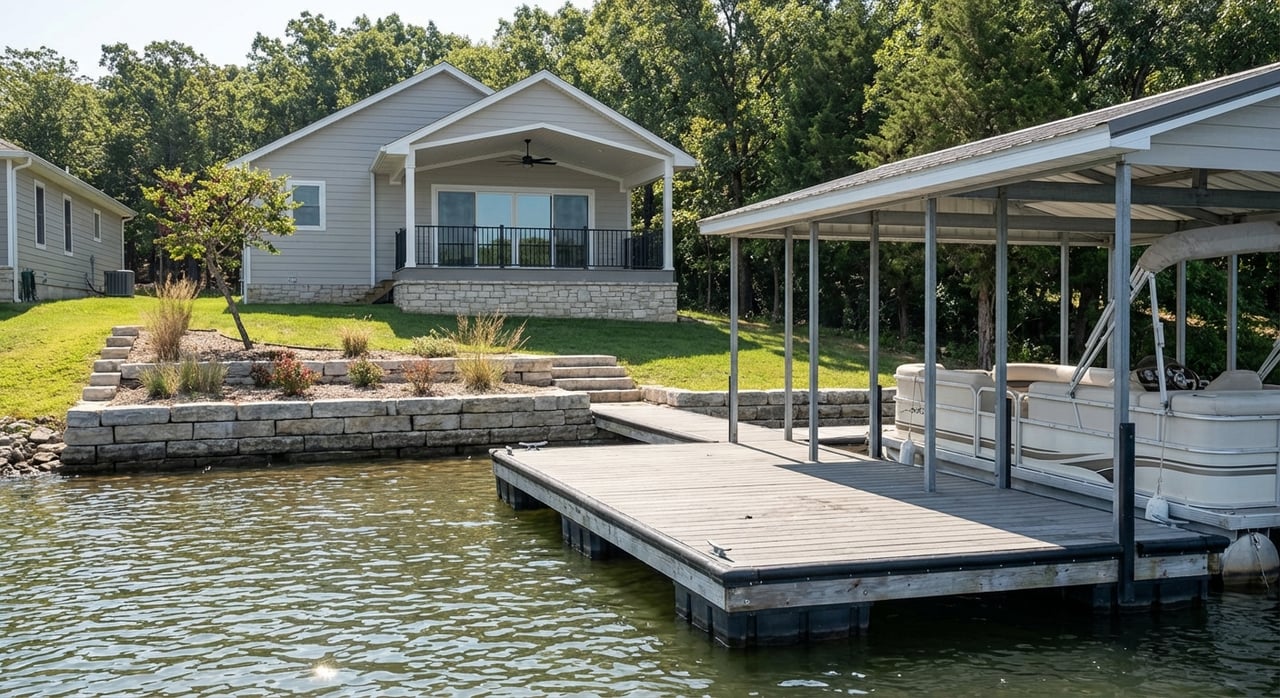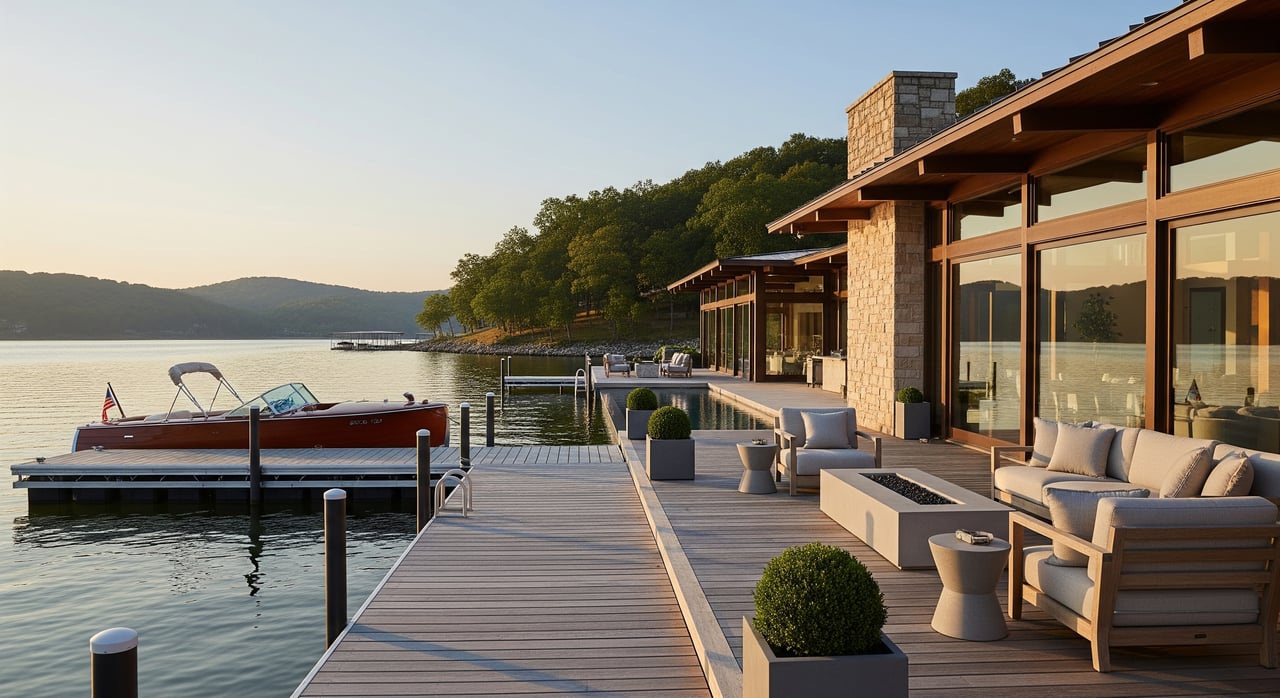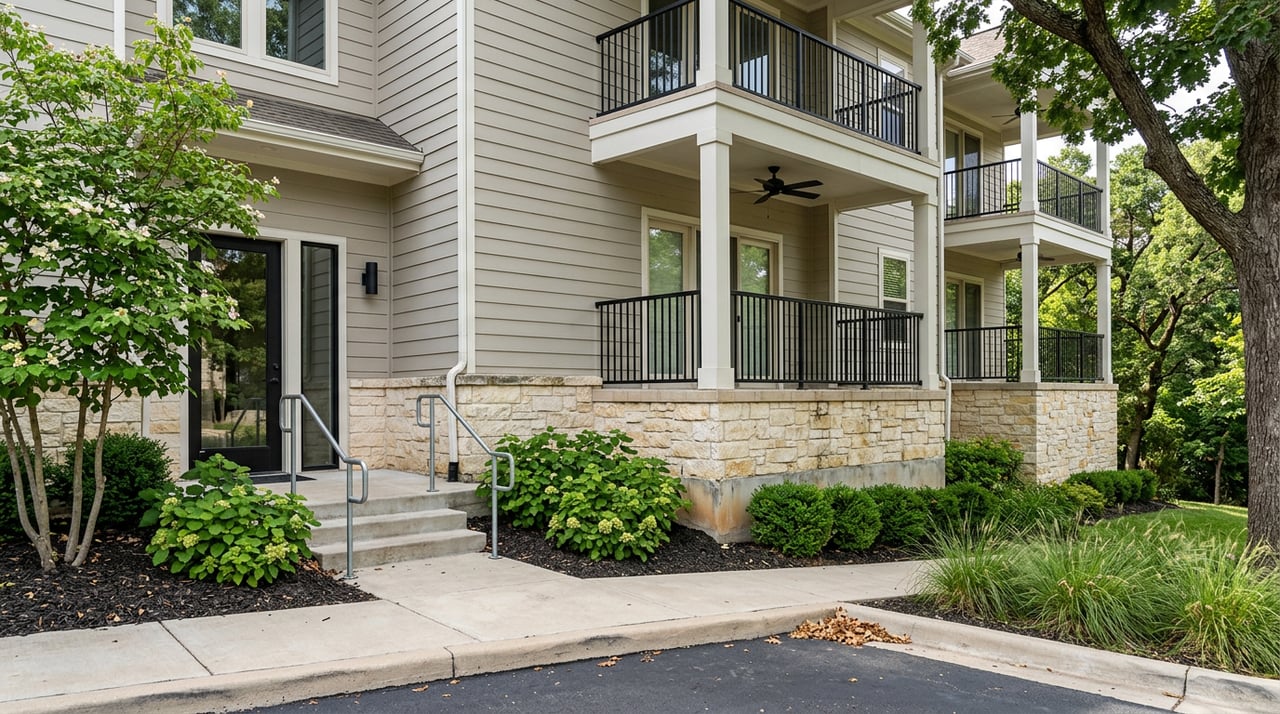
Picture yourself stepping onto the deck, coffee in hand, and watching the sun lift over Lake of the Ozarks. Now decide where that deck belongs. Should you choose a low‑maintenance condo with resort amenities or a single‑family home with private space and your own dock? It is a big decision, and the right fit depends on how you plan to use the property, your budget, and how much control you want. In this guide, you will compare lifestyle, costs, rules, lake‑specific issues like docks and permits, and short‑term rental factors so you can move forward with confidence. Let’s dive in.
Start with how you will use it
Second home or part‑time use
If you want a weekend base with easy lock‑and‑leave living, a condo can simplify your life. Exterior maintenance is handled for you, and many communities include pools, clubhouse space, and marina access. The tradeoff is monthly dues and community rules that govern pets, parking, and rentals.
If you prefer room for pets, gear, and outdoor living, a single‑family home offers more privacy and storage. You gain control over landscaping, dock setup, and shoreline improvements. You also take on the work and cost of exterior care, and possibly septic or well maintenance on more rural lots.
Retirement or full‑time living
Condos reduce day‑to‑day chores like mowing and exterior upkeep, which can be helpful over a long time horizon. Elevators, covered parking, and proximity to amenities can add convenience. Review association rules and financials to make sure they match your long‑term plans.
Single‑family homes provide space for visitors, toys, and flexible layouts. If you need accessibility upgrades, you control those choices. Check utility sources on any home outside urbanized nodes. Some properties rely on wells or propane, and some use onsite wastewater systems.
Investment or rental strategy
Before you model revenue, confirm what is legal. The City of Lake Ozark has enforced limits on nightly rentals in certain zones. City notices state that short‑term rentals are allowed only in specific districts and are not allowed in R‑1 and R‑2 single‑family districts. Always verify zoning for the specific address and check for any registration requirements in the latest city materials. You can review the city’s published discussion on short‑term rentals for context in the Board’s STR registry briefing.
If a property passes the zoning test, compare projected income to your fixed costs. Factor in HOA dues for condos, management fees, utilities, insurance, vacancy, and local lodging tax obligations. Camden County publishes a schedule that includes a 3 percent lodging tax. You can find it in the county’s sales and lodging tax schedule.
Market snapshot in Lake Ozark
Recent public listing snapshots place Lake Ozark home values in the mid‑$200s to mid‑$300s overall, with typical list prices around the mid‑$300s. For example, some trackers showed an average value near 321,112 dollars and a median list price near 359,633 dollars as of January 31, 2026. Treat these as context rather than hard numbers. Always confirm with a current MLS pull before you act.
For condos, many local listings show monthly association dues in the range of about 400 to 700 dollars or more. Fees often include exterior maintenance, grounds, pool access, trash, and sometimes utilities for shared spaces. Your exact dues depend on the development, amenities, and reserve funding.
Ownership differences that matter
Rules and documents
Condominiums in Missouri are governed by the state’s Uniform Condominium Act. This law sets the framework for declarations, bylaws, owner associations, and disclosures. You can review the statute overview in the Missouri Uniform Condominium Act.
Missouri law also requires a resale certificate for condo sales. This disclosure summarizes monthly assessments, reserves, insurance, pending suits, and other material items. Buyers use it to understand near‑term costs and restrictions. See the resale‑certificate provision in RSMo §448.4‑109.
Single‑family homes in subdivisions may also have covenants or an HOA. These are enforced by recorded documents rather than the condo statute. Ask for the recorded declaration or CC&Rs and current rules if applicable.
What dues cover, and how to evaluate risk
Association dues typically fund maintenance of common elements, building exteriors, grounds, pools, shared utilities for common spaces, management, insurance on common areas, and reserves for future repairs. Healthy reserves reduce the chance of special assessments. When reviewing a condo, look for a current budget, the most recent reserve study, insurance policies, meeting minutes, and a history of past assessments. If numbers look tight or capital projects are looming, build a buffer into your budget.
Utilities and rural infrastructure
Many Lake Ozark condos are tied into community water and sewer systems, sometimes with certain utilities or trash service included in the dues. Outside denser areas, single‑family homes may rely on private wells and onsite wastewater systems. Septic and well status can affect renovations and financing. For onsite wastewater permitting and standards, refer to Camden County’s Unified Land‑Use Code.
Lake‑specific must‑knows: docks and shoreline
Shoreline structures on Lake of the Ozarks are regulated. Ameren Missouri, which operates Bagnell Dam and project lands, administers dock, lift, and bank‑stabilization permits, plus safety requirements. If you buy a lakefront property with a dock, confirm the permit status, electrical inspection records, and whether the permit will transfer with the sale. You can review requirements and forms on Ameren’s Lake of the Ozarks permitting page.
Some projects that extend lakeward or affect navigable waters may also need federal or state approvals. A good background overview is the Lake of the Ozarks permit reference guide.
Flood risk and insurance
Flood risk varies by location and elevation. Lenders require flood insurance for federally backed loans when a property sits in a FEMA Special Flood Hazard Area. Even outside these zones, it is smart to check parcel‑specific maps and, when needed, obtain an elevation certificate before you quote premiums. Use FEMA’s Flood Map Service Center to look up any address.
Short‑term rentals and taxes in Lake Ozark
Nightly rental rules depend on city zoning and, if applicable, your HOA or condo bylaws. Lake Ozark has taken legal action against unauthorized nightly rentals and has discussed registration programs. Rentals are allowed only in certain districts and prohibited in others, such as R‑1 and R‑2 single‑family zones. Always verify your property’s zoning and any permitting steps. For city context, see the Board’s STR registry briefing and consult the Lake Ozark Municipal Code for zoning definitions.
If you operate a legal short‑term rental, you must comply with local tax rules. Camden County lists a 3 percent lodging tax, and combined sales tax rates vary by city. Review the county’s sales and lodging tax schedule and plan your pricing and bookkeeping accordingly.
Costs at a glance
- Condos: Expect monthly dues that typically cover exterior maintenance, grounds, amenities, and common‑area insurance. Some communities include trash or certain utilities, and some offer assigned or deeded boat slips for an added fee. Read rules carefully to confirm slip availability and any waiting lists.
- Single‑family homes: No shared condo dues unless you are in a subdivision with an HOA. Budget for your own exterior projects, landscaping, dock upkeep, shoreline stabilization, and utilities. If a property uses a septic system or a well, add inspection and maintenance costs to your plan.
Due‑diligence checklist
For condos
- Declaration/CC&Rs, bylaws, and any amendments
- Recent meeting minutes, current budget, most recent reserve study
- Master insurance policy and evidence of coverage
- History of special assessments for the last five years
- Current delinquency rate for dues
- Rules on rentals, pets, parking, and boat slips
- Statutory resale certificate with assessments, reserves, pending suits, and insurance per RSMo §448.4‑109
For single‑family lake homes
- Title commitment and survey with easements shown
- Recorded covenants and HOA rules if in a subdivision
- Septic and well permits, inspection reports, and water‑quality tests
- Existing dock and shoreline permits with proof of compliance
- Dock electrical inspection records as required by local fire districts
- Ameren permit number and transfer requirements from Ameren’s permitting page
Inspections and technical checks
- General home inspection with attention to shoreline, bulkhead, and dock condition
- Septic inspection and pump records for properties not on community sewer
- Flood‑zone check on FEMA and, if in a Special Flood Hazard Area, an elevation certificate using FEMA’s Map Service Center
- Utility review to confirm whether water, sewer, propane, or electric are community‑based or individually metered
Contract and closing items
- Condos: Require the seller or association to deliver the legally required resale certificate. Confirm whether any special assessments are pending and whether reserves are healthy before you waive contingencies.
- Dock transfers: Verify that the dock’s permit is valid and transferrable. Ensure all Ameren paperwork is ready so you do not inherit a compliance issue after closing.
Which is right for you
Choose a condo if you want low maintenance, built‑in amenities, and a simple launchpad for weekends at the lake. Your monthly budget is predictable, and you trade some control for convenience.
Choose a single‑family home if you want privacy, space, and control over docks and shoreline. You take on more maintenance and project planning, and you gain more freedom to tailor the property to your needs.
If you are still undecided, start with how often you will be here, how much time you want to spend on upkeep, and whether you plan to rent. Those answers usually point clearly to one path.
Local resources
- Ameren dock, shoreline, and permit rules: Lake of the Ozarks permitting
- City of Lake Ozark short‑term rental discussion: STR registry briefing
- Lake Ozark zoning and municipal code: Lake Ozark Municipal Code
- Camden County sales and lodging tax: County tax schedule
- Camden County onsite wastewater rules: Unified Land‑Use Code
- Flood maps and flood‑insurance basics: FEMA Flood Map Service Center
- Property assessments and resources for long‑term planning: Camden County Assessor
Ready to compare specific neighborhoods, condo communities, or waterfront homes that fit your goals? Connect with Amy Van Buren for concierge‑level guidance, current MLS data, and a step‑by‑step plan to buy with confidence at Lake of the Ozarks.
FAQs
What do typical Lake Ozark condo fees cover?
- Most dues fund exterior and grounds maintenance, amenities like pools and clubhouses, common‑area utilities, management, insurance on common areas, and reserves. Always review the budget, reserve study, and rules before you commit.
Are nightly rentals allowed for single‑family homes in Lake Ozark?
- It depends on zoning and any HOA rules. City materials state nightly rentals are allowed only in certain districts and are not allowed in R‑1 and R‑2 single‑family zones. Verify your address and consult the Lake Ozark Municipal Code.
How do I confirm a dock permit will transfer with my lakefront purchase?
- Ask for the Ameren permit number, electrical inspection records, and any prior approvals, then confirm transfer steps using Ameren’s Lake of the Ozarks permitting guidance before closing.
Do I need flood insurance for a lakefront condo or home in Lake Ozark?
- Lenders require flood insurance for properties in FEMA Special Flood Hazard Areas. Check your parcel on the FEMA Flood Map Service Center and obtain an elevation certificate to quote premiums.
How can I spot the risk of condo special assessments before I buy?
- Review the resale certificate, recent meeting minutes, the current budget, and the latest reserve study. Low reserves, deferred maintenance, or planned capital projects can signal higher assessment risk.